C-Section vs. Vaginal Birth: What It Means for Your Baby’s Gut Health
By: Angela McPhillips, DNP, RN
Medically Reviewed by: Meredith Merkley, DO FAAP
If you’re a parent or expecting a baby, you may have heard something about how delivery method affects a newborn’s gut health. Maybe it came up in a prenatal class, a doctor’s visit, or a late-night scroll through parenting forums. Messages are often strong, and sometimes conflicting.
What we do know is this: babies encounter microbes differently at birth, and those early exposures shape the first stages of gut development. At the same time, the microbiome is built over months and years, not in a single moment.
Understanding how birth mode fits into that bigger picture can help families focus less on what can’t be changed and more on the everyday choices that support a baby’s digestive health from the start.
Why delivery mode matters for infant gut health
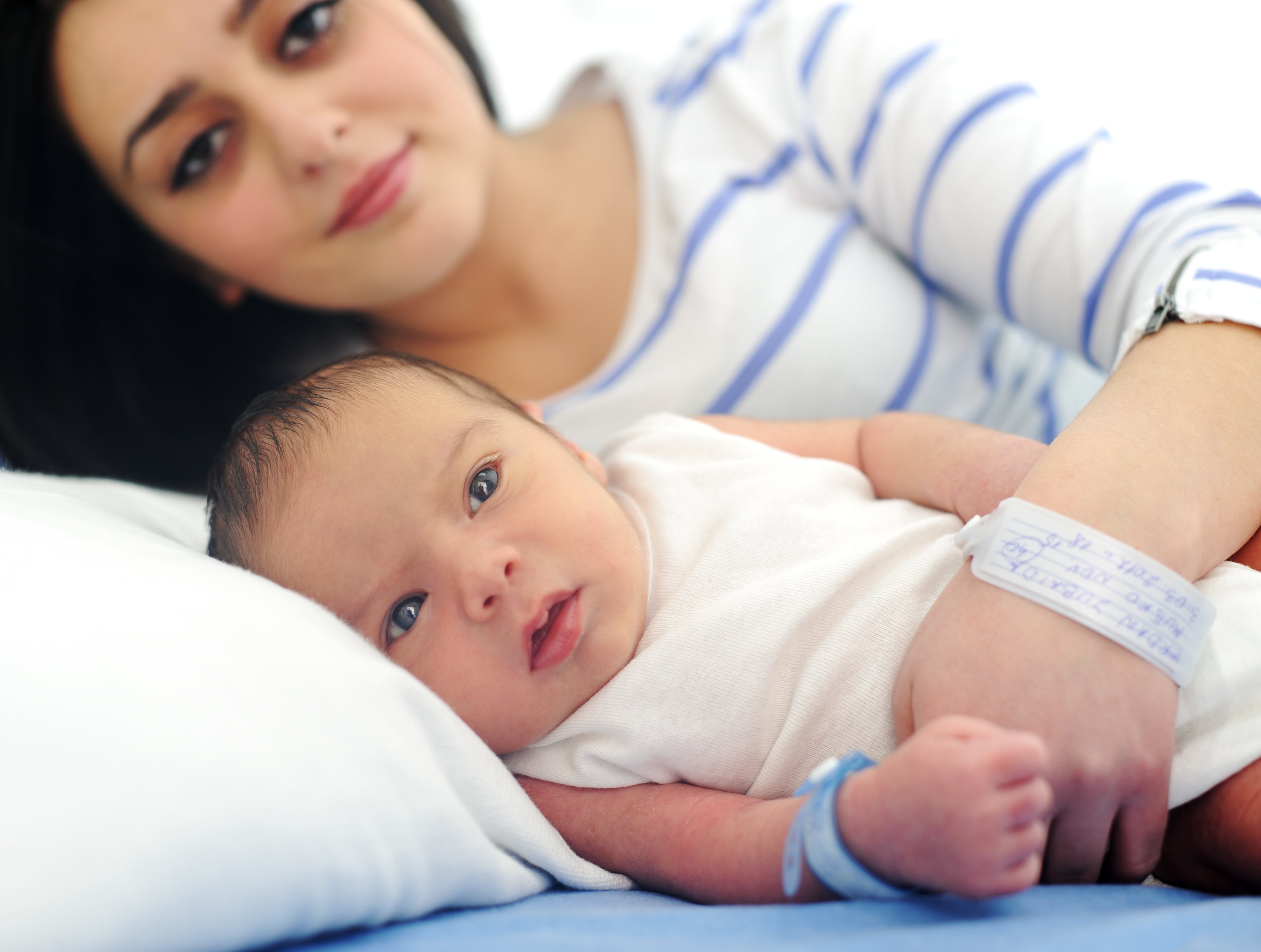
When a baby is born, their gut begins a complex process of microbial colonization that continues for years. This early colonization helps train digestion, metabolism, and immune development. Delivery mode — vaginal versus C-section — is one of the first factors that influences which microbes take hold in the newborn gut.
In vaginal birth, babies pass through the birth canal and encounter microbes from the mother’s vagina, rectum, and gut microbiota. Infants delivered vaginally typically show distinct clusters of microbes early in life that reflect this close maternal contact.
In cesarean delivery, infants are more likely to first encounter microbes from the skin and the surrounding environment, which leads to different early microbial patterns.
These differences show up in the first weeks to months of life and are tied to how quickly certain beneficial bacteria establish themselves.
Microbes commonly seen after vaginal birth
Babies born vaginally tend to show higher early levels of bacterial diversity that come from the mother’s vaginal and intestinal microbiota. These often include:
-
Bacteroides, a group of bacteria linked to digestion and immune system signaling.
-
Bifidobacterium, which plays a central role in breaking down components of breast milk and supporting gut balance.
-
Lactobacillus, commonly found in the vaginal tract and associated with early microbial diversity.
These microbes help create an environment in the gut that supports digestion and helps the immune system begin learning which bacteria are helpful and which need closer monitoring.
Microbes more common after C-section birth
Infants born by cesarean delivery tend to show a different early pattern. Their first microbial exposures often come from skin contact and the hospital environment. Early studies consistently find higher levels of:
-
Staphylococcus and Streptococcus, bacteria commonly found on skin.
-
Corynebacterium, another skin-associated group.
These patterns don’t mean something is wrong with a C-section baby’s gut. They simply reflect a different starting point for microbial colonization.
What these differences mean in real life
The main takeaway is not that one birth mode creates a “better” microbiome, but that the early timeline looks different.
Vaginally delivered infants often establish certain beneficial bacteria sooner. C-section infants may take longer to build those same populations, especially in the first weeks. Over time, feeding, environment, skin-to-skin contact, and everyday exposures play a growing role in shaping the gut community.
By later infancy, many of these early differences begin to narrow as babies encounter new microbes through feeding, play, and daily life.
Understanding this helps parents keep perspective. Delivery mode influences early exposure, but it does not define a child’s gut health story.
How breastfeeding interacts with birth mode
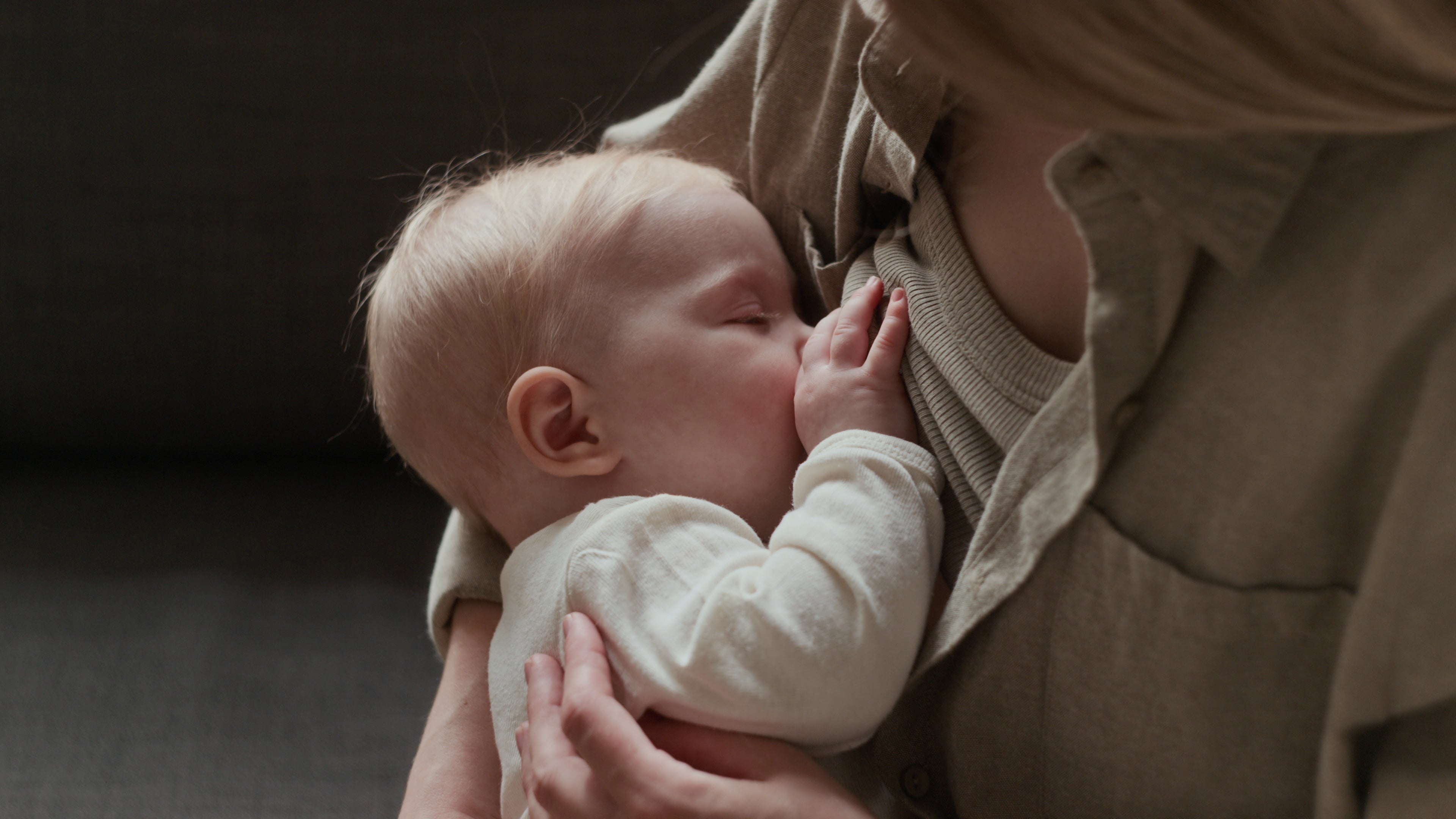
Feeding method plays a substantial role in shaping the infant gut microbiome after birth. Human milk contains bioactive compounds that support the growth of beneficial gut bacteria such as Bifidobacteria.
Research shows that breastfeeding modifies the longitudinal impact of delivery mode on gut microbiota. By one year of age, many differences linked to birth mode are influenced, and in some cases lessened, by the effects of longer breastfeeding.
Exclusive breastfeeding has been associated with microbial patterns that support immune and digestive health, and may help buffer early microbiome differences seen after C-section.
This doesn’t mean breastfeeding eliminates all differences, but it emphasizes that postnatal factors matter a great deal.
What early differences don’t mean for long-term health
It’s tempting to assume that early gut microbiome differences automatically translate into long-term outcomes. But current science does not support that assumption.
Some researchers have linked delivery mode–related microbiome patterns with immune outcomes in infancy. Those patterns appear within early developmental windows and may influence short-term immune signaling. However, associations do not prove causation — and many other factors (feeding, antibiotics, environment, siblings) shape microbial development as infants grow.
A balanced view acknowledges that delivery mode influences early microbial exposure, but it does not determine a child’s lifelong health. Babies born by C-section still develop gut microbiomes and immune systems; the trajectories may simply look different in the short term.
Practical, pressure-free ways to support gut health
Instead of focusing on whether birth mode “ruins” or “boosts” gut health, families can support newborn gut development through everyday habits that matter most:
Encourage early skin-to-skin contact
Skin contact soon after birth fosters maternal-infant bonding and exposes the baby to maternal skin microbes that help seed the infant microbiome.
Support breastfeeding when possible
Breast milk feeds beneficial bacteria and provides human milk oligosaccharides that help shape the gut environment. Whether birth was vaginal or by C-section, feeding choices significantly influence gut microbial development.
Use antibiotics thoughtfully
Antibiotics can disrupt early microbial colonization. When antibiotics are necessary, discuss timing and potential effects with your pediatrician so you can balance medical needs with microbial support.
Prioritize responsive feeding and hydration
As babies transition to solid foods, offering a variety of age-appropriate foods supports microbial diversity and digestive comfort over time.
Consider an infant synbiotic supplement
Some families choose to add a synbiotic as part of their baby’s gut-health routine. NurtureBio’s infant synbiotic combines probiotics and prebiotics in a formula made for young infants, offering gentle digestive support alongside feeding and daily care. Your pediatrician can help you decide if this option fits your baby’s needs.
A balanced perspective on delivery methods and gut health
Delivery mode does influence early microbial exposure, and studies document differences in early compositions and diversity of the gut microbiome.
However, infants born via C-section still acquire microbes from breast milk, skin contact, and their environment, and their microbiomes adapt and diversify over time.
Rather than viewing delivery mode as a gut “advantage” or “disadvantage,” it’s more accurate — and more reassuring — to see it as one starting point in a long journey of microbiome development, shaped by feeding, care, and everyday life.
FAQs
Does birth mode permanently change my baby’s gut?
Early differences in microbial composition are real, but they often diminish over time thanks to factors like feeding, environment, and normal microbial succession.
Should we try vaginal seeding after a C-section?
Some early research explores practices like vaginal seeding, but evidence is limited and safety concerns remain. This is not widely recommended without formal clinical guidance.
Is breastfeeding more important than birth mode?
Breastfeeding has a major influence on microbiome development and can help support healthy microbial patterns regardless of how your baby was born.