The Surprising Link Between Your Baby’s Environment and Their Microbiome
By: Angela McPhillips, DNP, RN
Medically Reviewed by: Meredith Merkley, DO FAAP
Parents spend lots of time trying to keep their baby’s world clean. From sanitizing bottles and wiping down highchairs to reminding visitors to wash their hands, there’s a natural instinct to protect our babies from every possible germ.
And then there are the moments that don’t go according to plan: the pacifier that hits the floor for half a second, the teether someone stepped on, the toy your toddler drops outside and immediately puts back in their mouth.
It’s easy to feel like those “five-second rule” moments might undo all your hard work. But research tells a much more reassuring story. Your baby’s environment—pets, siblings, fresh air, shared spaces, and real-life mess—is one of the most powerful forces shaping their developing microbiome.
Their surroundings aren’t just a backdrop to early childhood. They actively help build the community of microbes that influence digestion, immunity, and long-term health.
How Environment Shapes the Microbiome
A baby’s first microbes don’t just come from the birth process or feeding. They also come from you, your home, your pets, the air, the soil beneath their fingers, and the people who love them.
Every room, surface, cuddle, and outdoor moment adds tiny microbial exposures that help diversify the gut.
Real-life parenting moments offer plenty of examples.
-
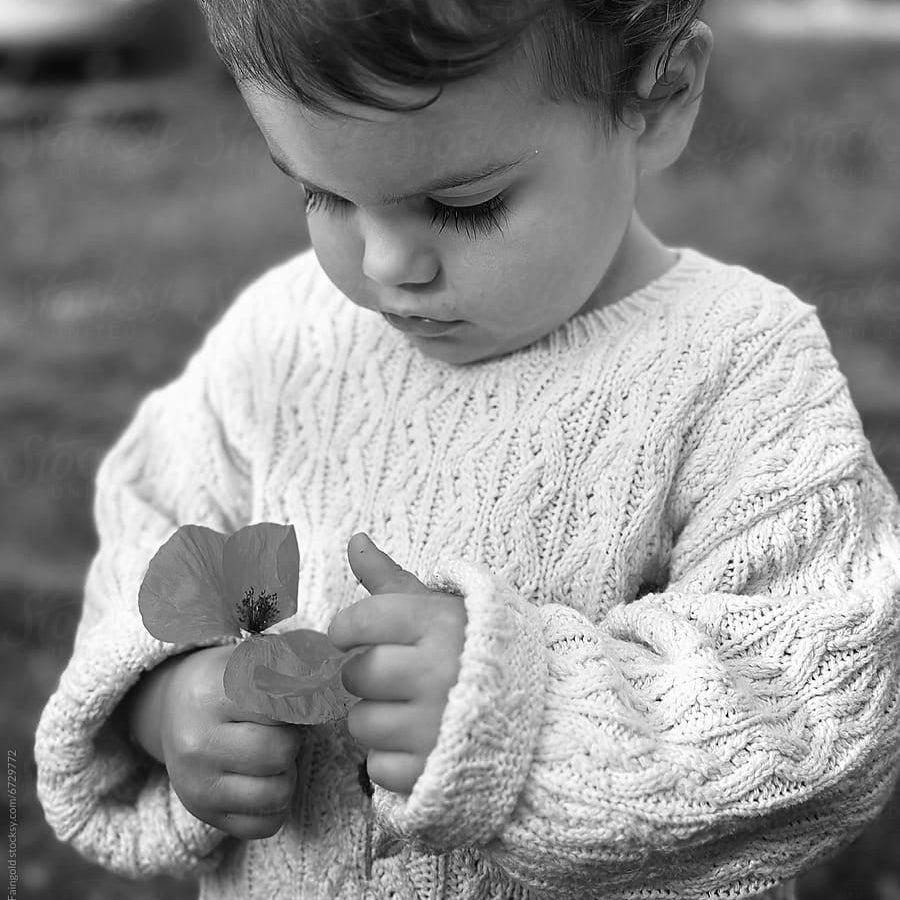
Your baby crawls across the grass and tastes a leaf.
-
Your toddler hugs the dog, then grabs their snack.
-
A well-meaning older sibling shares toys, drool and all.
-
The stroller rolls through the park, and your baby’s hand grazes the wheels.
These are the everyday interactions that can carry harmless microbes into your baby’s world. And according to emerging research, these exposures help enrich the microbial ecosystem in ways linked to long-term immune benefits.
A 2023 review in Frontiers in Immunology shows that an infant’s early environment helps determine how the microbiome forms and how immune cells learn to respond appropriately as babies grow.
Recent studies show that features of a baby’s environment—especially access to nearby green spaces and natural outdoor areas—are linked with how the gut microbiota assembles and how diverse it becomes during infancy, a critical window for long-term health.
Put simply: your baby’s surroundings teach the gut what the world looks like. The more variety they safely encounter, the more information their microbiome receives.
Healthy Exposure vs. Over-Sterilization
Parents today face a lot of pressure to maintain a spotless home. But there’s a difference between healthy hygiene and over-sterilizing, and that difference matters for the microbiome.
Babies learn about their world through every grab, crawl, and drool-soaked moment. When your little one sits in the grass, scoots across the living room floor, or drops a toy that gets a quick wipe before going right back in their mouth, they’re picking up tiny environmental microbes that help shape their developing gut microbiome.
These everyday exposures aren’t just unavoidable—they help build microbial diversity during the earliest window of immune and gut development.
Research supports this natural process. Studies show that features of a baby’s environment, especially access to outdoor green space and natural surroundings, influence how the gut microbiota assembles in infancy.
Babies who spend time in richer natural environments often have higher levels of healthy gut bacteria.
This is where many parents breathe a little easier.
There’s a common feeling that you need to sanitize everything just to keep your baby healthy. But over-sterilizing isn’t necessary in most day-to-day situations.
While safe hygiene practices absolutely matter for things like feeding supplies, diaper changes, and illness prevention, your home doesn’t need to be bacteria-free. In fact, constantly trying to eliminate every microbe can unintentionally limit the natural exposures that help the microbiome learn and diversify.
The reassuring truth is that babies don’t need a pristine bubble; they need a clean (not sterile), lived-in home. Pets, siblings, outdoor play, shared mealtimes, and normal daily movement around the house all contribute to a healthy developing microbiome
Practical Ways to Encourage Microbial Diversity
Parents don’t need to overhaul their routines to support healthy microbial exposure. Small, realistic habits make a meaningful difference:
Let your baby play outside.
Time on the grass, in the yard, or at the park introduces natural environmental microbes that expand the gut’s diversity.
Let pets be part of the family story.
Research shows that homes with furry pets often have babies with richer microbial communities. Normal interaction with a dog or cat is not only safe—it’s beneficial.
Encourage contact with siblings and caregivers.
Every person carries a slightly different “microbial signature.” Family interactions help broaden your baby’s exposure in healthy ways.
Vary your environments.
Open the windows, go on walks, spend time in nature, or take baby along for errands. Different settings provide new, harmless microbes that help build resilience.
Offer a wide range of foods when developmentally ready.
Diet becomes a major driver of microbial diversity once solids begin, so variety matters.
These experiences aren’t messy accidents; they’re opportunities. Your baby learns about the world through their senses—and microbes are part of that learning.
When Cleanliness Still Matters
There are moments when cleanliness protects your baby’s health, and these guidelines don’t contradict the benefits of everyday environmental exposure. They simply help keep harmful germs at bay while still allowing the normal, healthy messiness of family life.
Here’s when hygiene truly matters.
Feeding supplies need consistent cleaning and sanitizing. Bottles, pump parts, nipples, pacifiers, and preparation surfaces should be cleaned thoroughly and dried completely to prevent harmful bacteria from growing.
Diapering areas should stay clean and well-maintained. Wash your hands after diaper changes, wipe down surfaces regularly, and dispose of diapers properly to keep germs away from tiny hands.
Family members should practice everyday hygiene. This includes washing hands before meals, after school or work, and after coughing or sneezing. Older siblings—who often bring home the most germs—benefit from gentle reminders.
Visitors should follow simple precautions with newborns. In the first few months:
-
Limit visitors.
-
Have everyone wash hands before holding the baby.
-
Don’t allow anyone with symptoms of illness (even mild ones) to visit. These boundaries keep vulnerable newborns safe while their immune system is still learning.
These guidelines don’t require sterilizing your entire home. They simply offer protection where it's most needed so you can relax about the rest.
Bringing It All Together
It often surprises parents to learn that the microbes in their home, yard, and daily routines are quietly shaping their baby’s gut health. The world they explore—pets, dirt, family members, outdoor air, even the occasional dropped snack—is part of how their microbiome learns to adapt and grow.
Key Takeaways
-
A baby’s environment plays a major role in shaping the gut microbiome.
-
Pets, siblings, outdoor time, and normal daily mess support microbial diversity.
-
Over-sterilizing can limit healthy exposure.
-
Hygiene remains important for feeding, diapering, and food safety.
-
Balanced exposure helps the gut and immune system grow stronger together.
FAQs About Environment and Infant Microbiome
Does playing outside really help my baby’s gut health?
Yes. Outdoor microbes are a natural source of microbial diversity that can help the gut mature.
Are pets safe for babies’ microbiomes?
Yes. Homes with pets often show higher microbial diversity in infants, which is linked to healthier immune development.
Should I stop sanitizing toys?
No, but you don’t need to disinfect them constantly. Basic cleaning is enough for most families.
Is it okay if my baby puts things from the ground into their mouth? Within reason, yes. While supervision matters, many of these exposures are harmless and part of normal development.
How can I support the microbiome if we live in an apartment or city?
Outdoor walks, time in parks, family interactions, and diverse foods all help—city living can support microbial diversity just as well as suburban or rural settings.